

Every time I start a new middle grade or young adult novel, I’m faced with the same question: how do I get the parents out of the picture?
It’s not that I have anything against the parents. They may be genuinely lovely people. In fact, the more this is true, the more of a problem they become. See, one of the most important parts of kidlit is that the kid gets to be the hero. They’re the ones slaying the dragon, going on the adventure, or saving the world. Not too shockingly, this usually means they’re in a lot of danger a lot of the time.
Let’s be real here: a good parent would stop most children’s books before they start. The sword would be kept on a higher shelf and the grounding for even thinking about going off to some magical world alone would be basically eternal. There’s a reason that the tragic orphan backstory is so popular: it makes things simpler. But not every kid in every book can be a plucky orphan (and heck, even if they could, they still have to have some sort of guardian in most modern stories).
So, how do we give kids the freedom to be the hero of their own story without taking the easy route and preemptively murdering any responsible adult who might try to stop them?
Well, I went on a deep dive to answer exactly this question. I studied some of the most popular kidlit, shows, and movies and found that there are a few clear buckets that these solutions fall into. While this is far from an exhaustive list of every way a modern kid protagonist can find their freedom, it’s at least a great place to start brainstorming.
The Temporary Guardian
There are a lot of reasons that a child might need a temporary guardian, and a lot of options of who that guardian can be. A temporary guardian isn’t constrained by the laws of custody. They can be anyone that your main character’s parents feel comfortable leaving their kid with (for better or for worse).
A temporary guardian tends to be an adult who is watching the kid(s) for more than a few hours. This might be for a few days, months, a whole summer, or even indefinitely. This is one of my favorite ways around the parent problem because of the versatility that it offers.
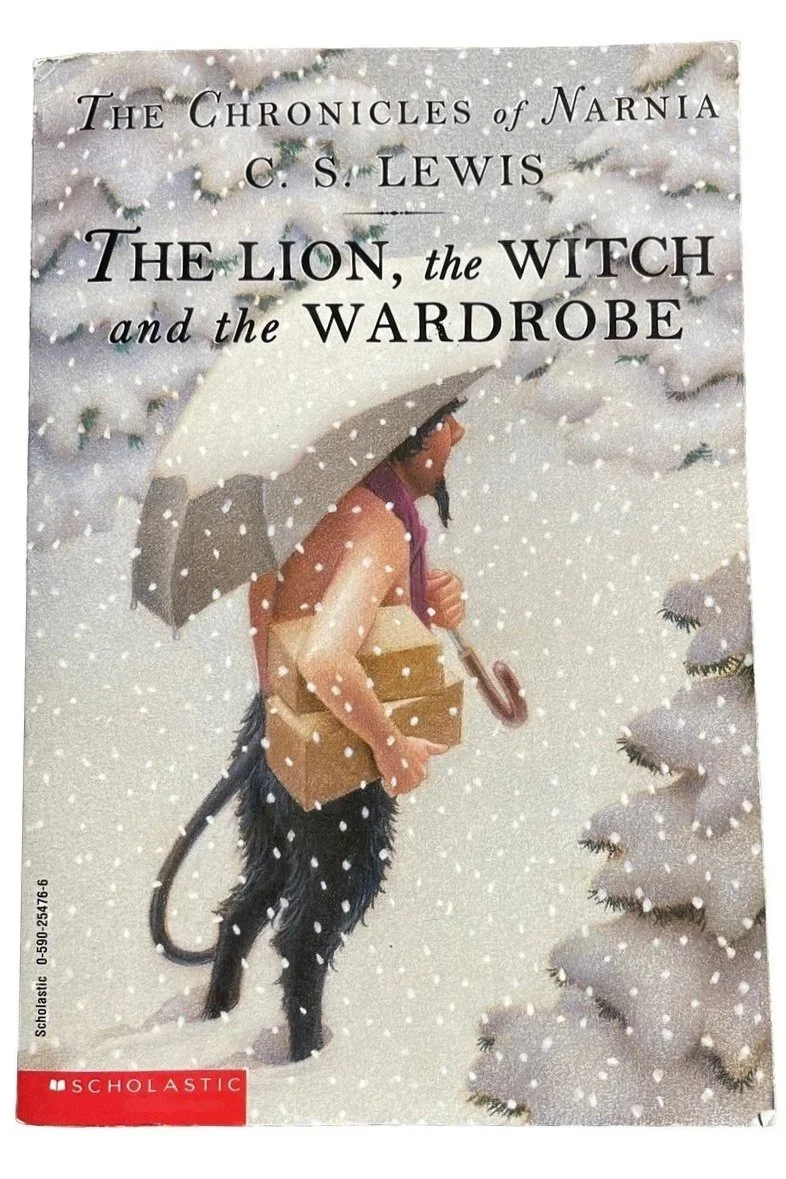
Take our favorite Narnia crew from The Lion, the Witch, and the Wardrobe. They’re sent to live with a stranger during WW2 because London is being bombed. In Holes, the main character is sent to a sort of labor camp as a punishment. In many books, a school and its teachers (especially at boarding schools) may be the way around the active parent problem.
The Babysitter
If your story takes place over a short amount of time (or if you just need a small window to start the adventure, at least), a babysitter is a great option. These are often teenagers and older siblings who don’t want to be babysitting, though much like the Temporary Guardian, they can be anyone who the parent would leave their kid with for a few hours.
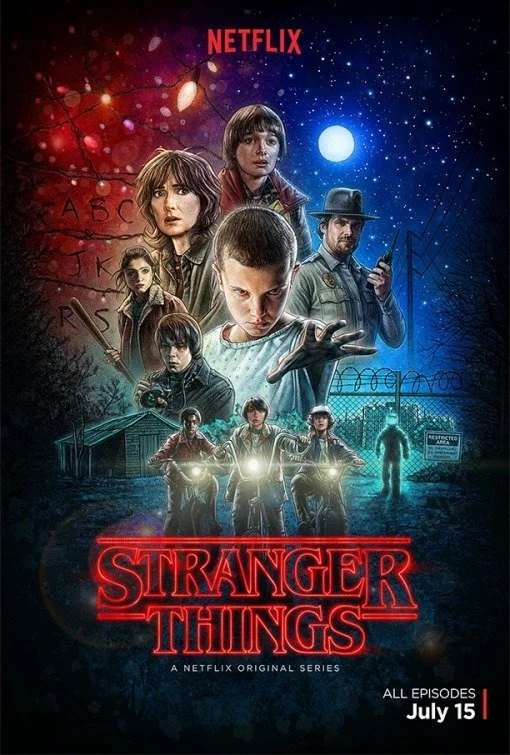
The older the kid protagonist is, the more irresponsible their babysitter can be. Stranger Things and The Goonies are great examples of older siblings getting sort of pulled along on the adventure. It provides some fun bonus options for exploring adolescence, as it puts them in the role of “adult” even while they themselves are still kids just like the protagonist.
Here’s the great thing about a bad babysitter: most people have probably had one, and even if your parent would never hire them again, at that point, the story is already well on its way.
The Bad Parent(s)
Sometimes, the parent problem solves itself in the form of the Bad Parent(s). These are the parents who (whether or not they’re trying their best), are actively harmful to the protagonist. They’re the sort of parents that you root against as both a kid and adult. (They don’t have to be the biological parents and can include any legal guardian.)
For example, take Katniss’ mom in The Hunger Games. Her mother is mentally checked out to the point that she cannot care for herself, let alone her two daughters. She is neglectful and leaves Katniss in charge of the household by default. She’s (mostly) not doing anything that’s purposefully, actively harmful toward Katniss, but she’s also not fulfilling her responsibilities as a parent.
Other parents in this vein may be more directly abusive or neglectful, such as the parents in Matilda and aunt and uncle in a certain infamous wizard book.
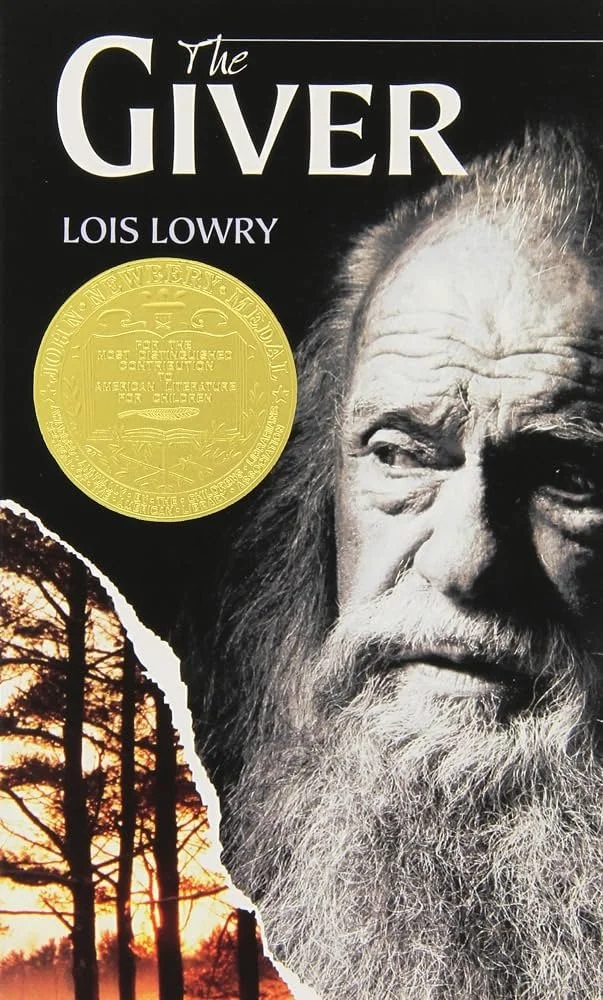
Other Bad Parents can be a lot more subtle. For example, in The Giver, we’re shown the parents of the protagonist as very normal, loving people who care about him. As the book progresses, however, we learn that his parents are first and foremost loyal to the dystopian society where he lives… at any cost.
The Rebellion
Sometimes, parents do everything they can to protect their kids, but there is one factor they can’t control: the kids themselves. These are the parents who are involved, engaged, but who still can't stop their kid from going on an adventure.
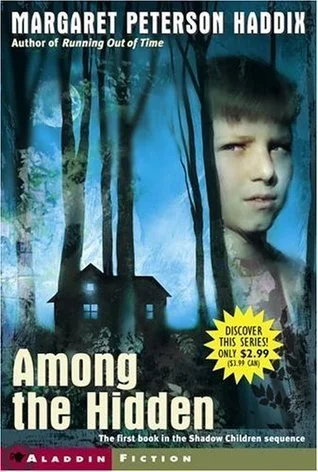
Among the Hidden is one of my favorite examples of this from my own childhood. In it, the MC has loving parents and brothers. They have a deep respect for their family and everything their family risks on their behalf. Even so, they get frustrated and curious, and eventually, that’s enough to lure them out to the plot.
Ariel from Disney’s The Little Mermaid is a good example of a rebellion that, as a kid, may feel totally reasonable and as an adult makes us go “YOU ARE ONLY 16 YOUNG LADY.” In this case, Ariel’s choice to join the humans is an overreaction, but it is spurred by her father’s own overreaction to her hyper fixation on humans.
Keep in mind with this trope that it’s not about who is “right” because chances are, both the MC and parent(s) want what’s best. They just don’t see eye to eye on what that is.
The Orphan
“But you said they can’t all be orphans!” you cry, glaring back at me.
And look, that’s still true. It gets silly when every story is about an orphan, and it can be a lazy storytelling choice when it’s overused.
This doesn’t mean that there aren’t still good reasons to sometimes go this route.
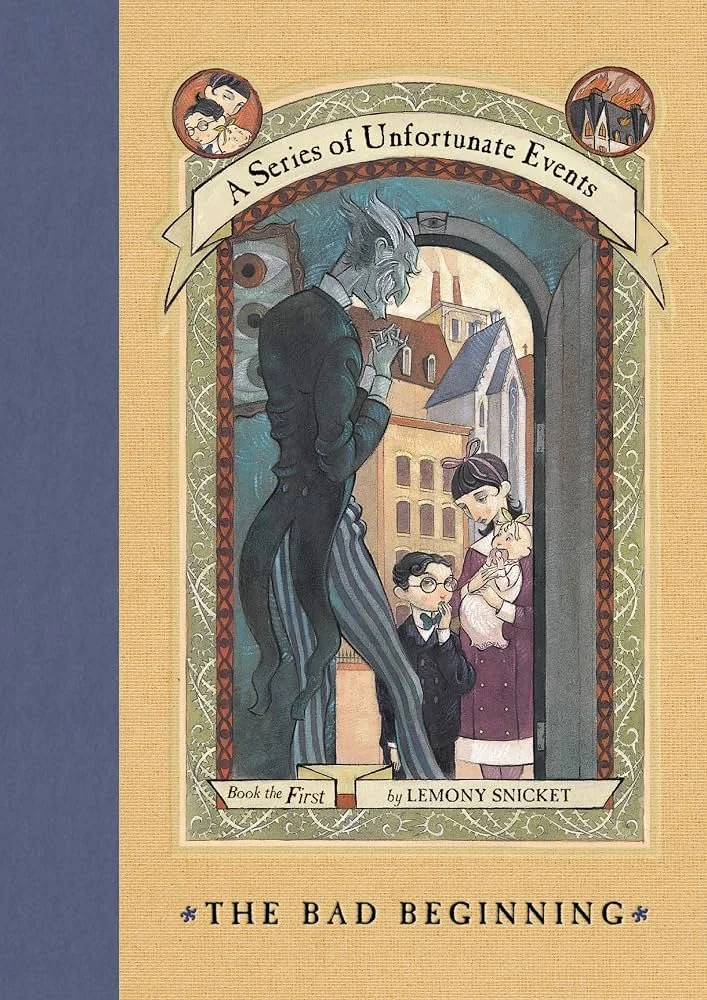
Take the “A Series of Unfortunate Events” books, for instance. The entire premise of the series is that you have three orphans who get put with a bunch of terrible guardians. The villain is after them because of money they inherited after their parents died. A lack of living parents is absolutely essential to the plot, and it works well for that reason.
Basically, if you’re making your character an orphan for your own sake, maybe consider one of the above instead. If you’re making them an orphan for story reasons, more power to you.
The Alternative
Sometimes, getting the parent(s) out of the way isn’t actually as necessary as writers tend to believe. In fact, having the parent(s) present can add a whole new level of complexity and depth to your character’s journey.
This is especially true in Young Adult. After all, teenagers are often trying to figure out what it means to be in that strange space between kid and adult. Having to navigate life threatening peril while also convincing their parents it wasn’t their fault they missed curfew is basically the best. Plus, it feels much closer to what a lot of kids really experience in their own real life adventures.
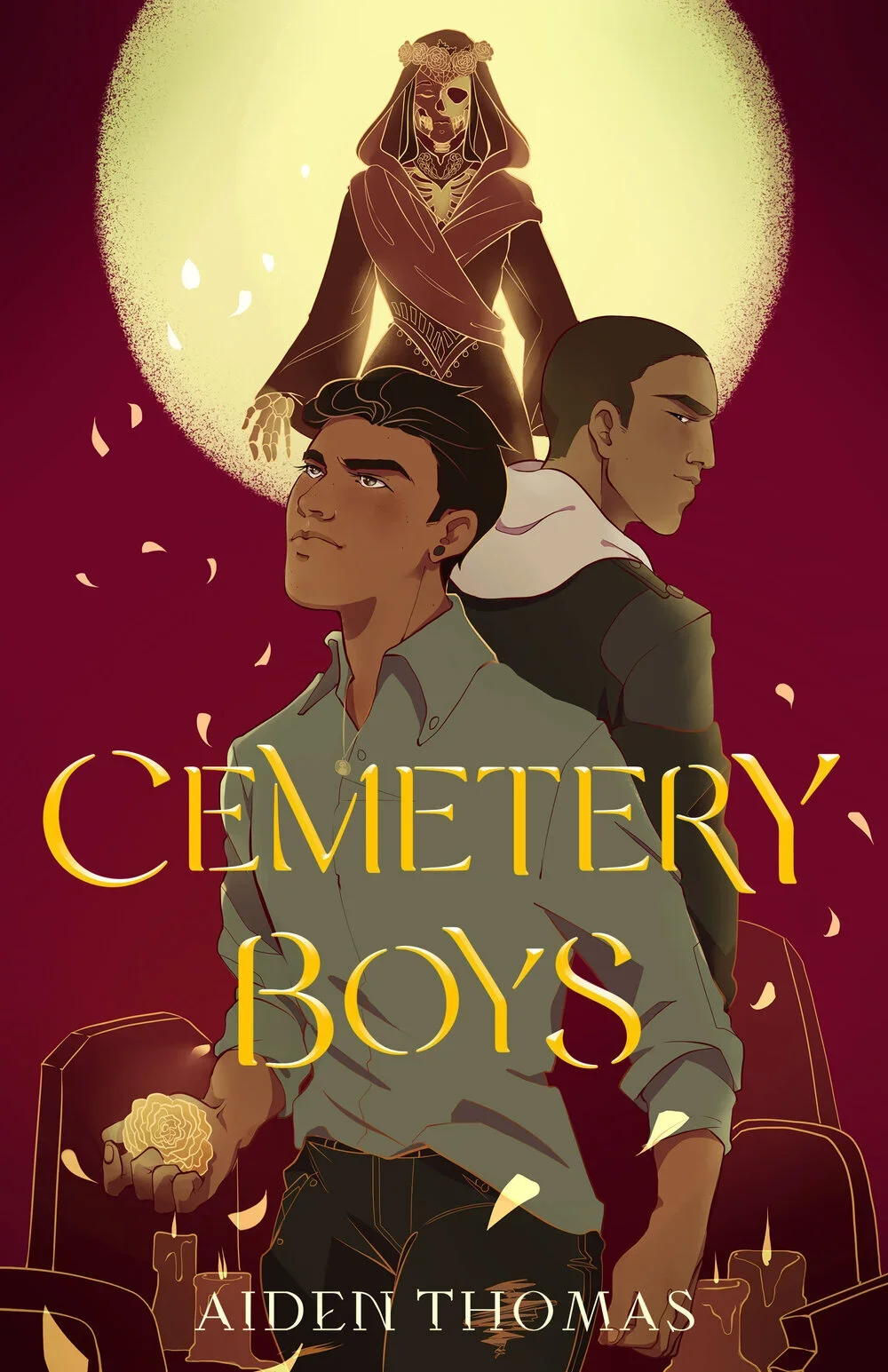
Cemetery Boys by Aiden Thomas and A Blade So Black by LL McKinney are two of my favorite examples of this method. Both include loving families that care about the protagonist, and the MC understands and appreciates this love while also knowing it’s getting in the way of completing their plot. It’s not an easy balance to strike for an MC or a writer, but if you need some examples on how to do it well, these books are a great place to start.
I’ll likely add to this list as I have time, but I’m curious—are there are there any solves for the parent problem that you personally like to use? Let me know in the comments.